

What are the disadvantages of using reusable bags?
Aug 18, 2025
Leave a message
Hey there! I'm a supplier of reusable bags, and while I'm all for promoting these eco - friendly alternatives to single - use plastics, it's only fair to talk about the other side of the coin. Yeah, reusable bags have a ton of benefits, but they're not without their drawbacks. Let's dig into what those might be.
1. Initial Cost
One of the most obvious disadvantages of reusable bags is the upfront cost. Unlike those free plastic bags you get at the grocery store, reusable bags usually cost you some bucks. When you're running into the store for a quick snack or a few items, it's tempting to just grab a plastic bag for free rather than shelling out money for a reusable one.

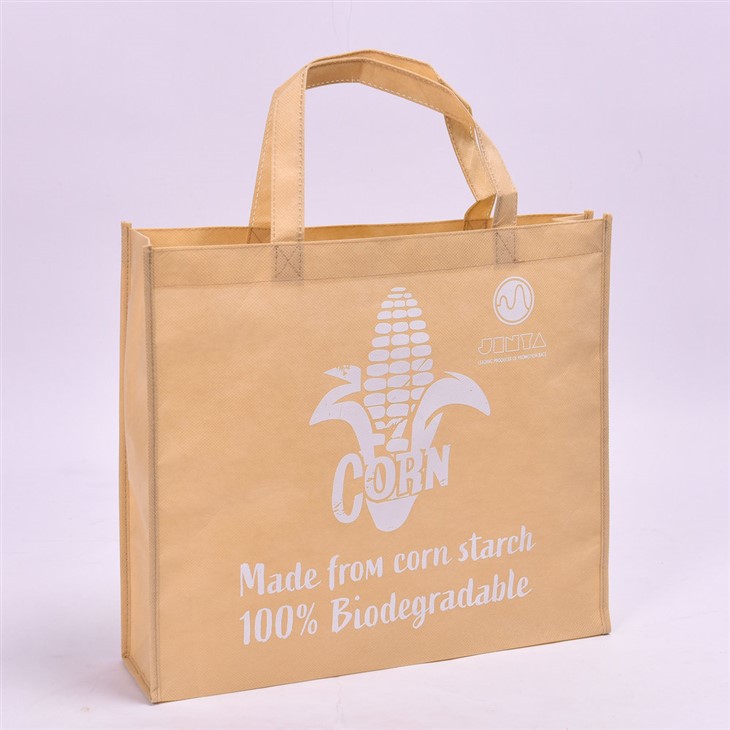
Think about it. If you're on a tight budget and every penny counts, spending $2 - $5 on a nice, sturdy reusable bag might not seem like the best idea. And if you need multiple bags for a big shopping trip, that cost can add up real fast. For low - income families, this cost can be a significant deterrent. They're already struggling to make ends meet, and spending extra on reusable bags isn't a priority.
But hey, as a reusable bag supplier, I understand this concern. That's why we offer a range of options, from more affordable Non Woven Printed Carry Bags to higher - end ones. The cheaper bags can still do the job, and over time, they can save you money since you won't be constantly buying plastic bags.
2. Hygiene Concerns
Another big issue with reusable bags is hygiene. These bags are used over and over again, and they can pick up all sorts of germs and bacteria. You might use them to carry raw meat one day and then fresh produce the next. If you don't clean your reusable bags regularly, they can become a breeding ground for harmful microorganisms.
A study by the University of Arizona and Loma Linda University found that about 99% of reusable bags had bacteria in them, and 12% had E. coli. This is a serious health risk, especially if you're using the same bag for food and non - food items. And let's face it, not everyone has the time or the inclination to wash their reusable bags frequently.
As a supplier, I recommend that customers wash their bags regularly. Most of our Polylactic Acid Bags are machine - washable, which makes it easy to keep them clean. But it's still up to the consumers to take that extra step.
3. Durability and Wear
Reusable bags are supposed to last a long time, but in reality, they don't always hold up well. Depending on the material they're made of, they can tear, fray, or break after just a few uses. For example, some thin fabric reusable bags might rip when you put heavy items in them.
And then there's the issue of wear and tear from regular use. The handles can start to come loose, or the seams can start to split. This not only makes the bag less useful but also less aesthetically pleasing. If your bag looks old and shabby, you're less likely to want to use it.
We offer PP Laminated Woven Bag which are more durable. They're made to withstand heavy loads and regular use. But even these bags aren't indestructible. Eventually, they'll show signs of wear, and you'll have to replace them.
4. Environmental Impact During Production
While reusable bags are generally better for the environment than single - use plastic bags in the long run, their production can have a significant environmental impact. The manufacturing process of reusable bags often requires a lot of energy and resources. For example, making a cotton reusable bag can take up to 7,100 uses to have a lower environmental impact than a single - use plastic bag. That's because growing cotton requires a large amount of water, pesticides, and fertilizers.
Even bags made from recycled materials have their own set of issues. The recycling process itself can be energy - intensive, and there are often limitations on what can be recycled. So, while we're trying to be eco - friendly by using reusable bags, the production side of things isn't always as green as we'd like it to be.
5. Limited Availability and Selection
In some areas, it can be difficult to find a good selection of reusable bags. Small towns or rural areas might not have stores that carry a wide variety of reusable bags. You might be stuck with a few basic options, and they might not be the right size or style for your needs.
Even in bigger cities, the selection can be limited. Stores might only carry a few popular brands or types of bags. This can be frustrating if you're looking for something specific, like a bag with a certain design or a particular material.
As a supplier, we're working to make our products more widely available. We're partnering with more retailers to get our bags on the shelves, and we're also offering online sales so that people can access our full range of products from anywhere.
6. Storage Issues
Reusable bags take up space. If you have a lot of them, finding a place to store them can be a challenge. You can't just stuff them in a drawer like you can with plastic bags. You might need a special rack or a bin to keep them organized.
And if you don't have enough storage space, your reusable bags can end up getting lost or damaged. They might get thrown in a corner and forgotten about, which defeats the purpose of having them in the first place.
7. Public Perception and Social Pressure
Believe it or not, there can be social pressure associated with using reusable bags. Some people might think that if you're not using a reusable bag, you're not environmentally conscious. On the other hand, if you're using a reusable bag that looks cheap or unfashionable, you might feel self - conscious.
There's also the issue of peer pressure. If your friends or family members aren't using reusable bags, you might feel like an outcast if you bring your own. This can make it difficult for some people to make the switch to reusable bags.
Despite all these disadvantages, I still firmly believe that reusable bags are a great option. They're a step in the right direction towards a more sustainable future. And as a supplier, we're constantly working to address these issues. We're improving our manufacturing processes to be more environmentally friendly, and we're coming up with new designs and materials to make our bags more durable, hygienic, and stylish.
If you're interested in learning more about our reusable bags or if you're looking to place an order for your business or personal use, don't hesitate to reach out. We're here to help you find the perfect reusable bag solution for your needs.
References
- University of Arizona and Loma Linda University study on bacteria in reusable bags
- Various industry reports on the environmental impact of reusable bag production